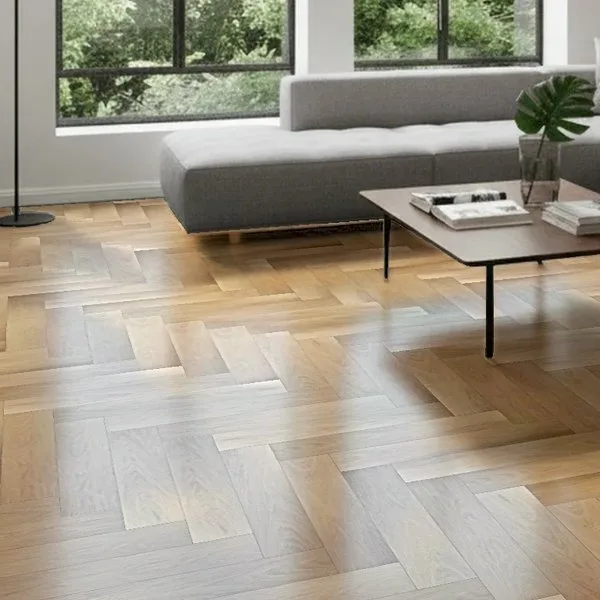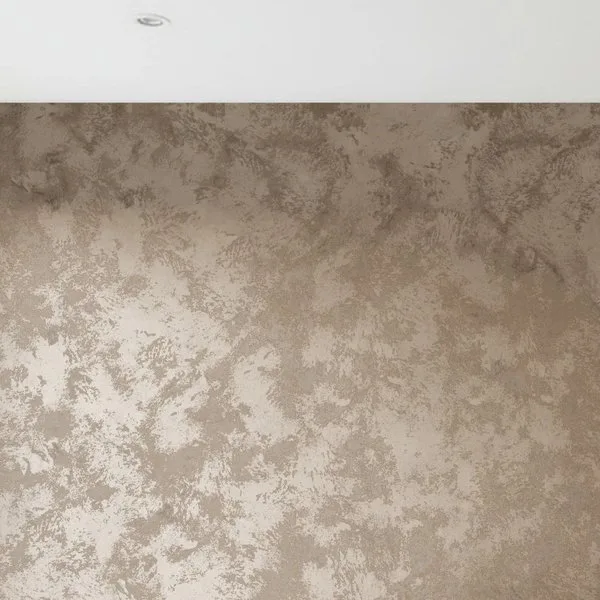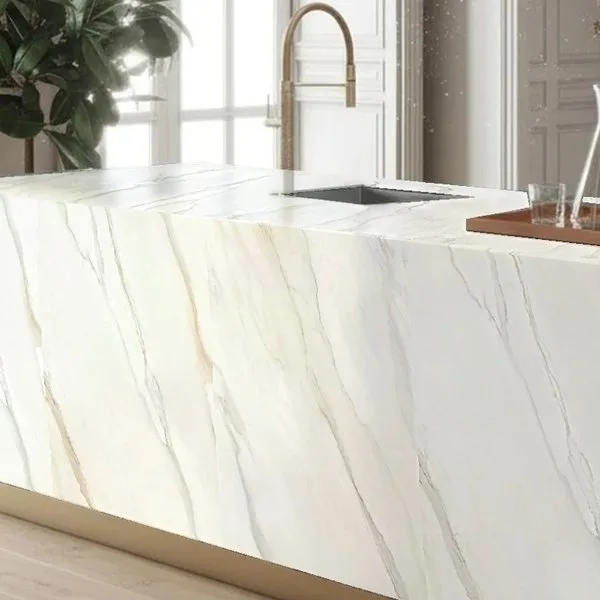
Engineered stone and large slabs: see the whole wall first
A small sample can't show what a whole wall of stone looks like
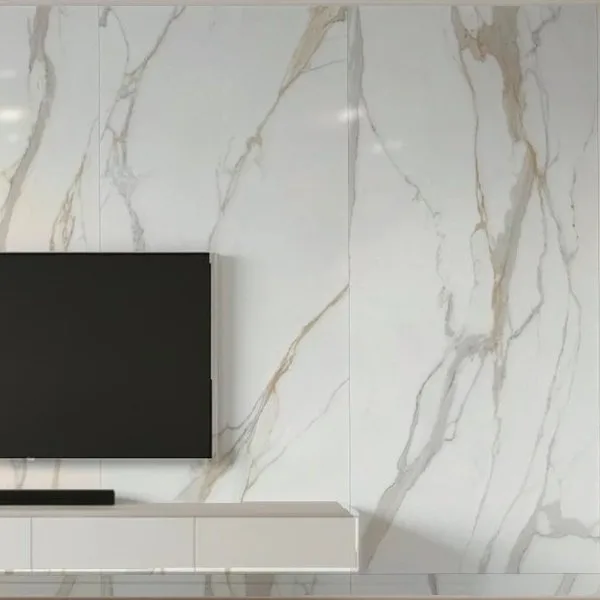
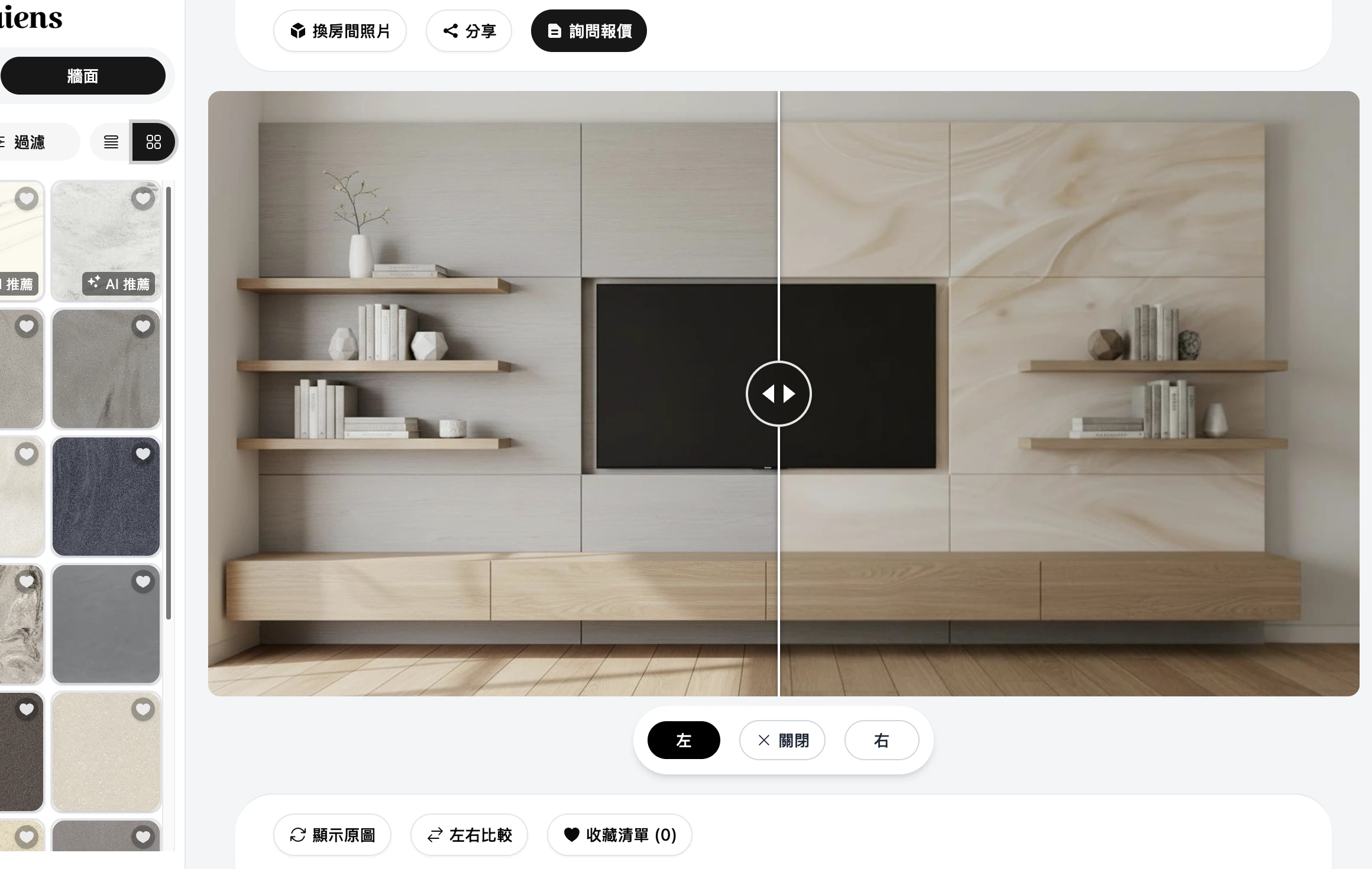
Customers take one photo and see your engineered stone, quartz or marble on walls and countertops, with large slabs laid in order so the veins connect. Try it now with your own photo.
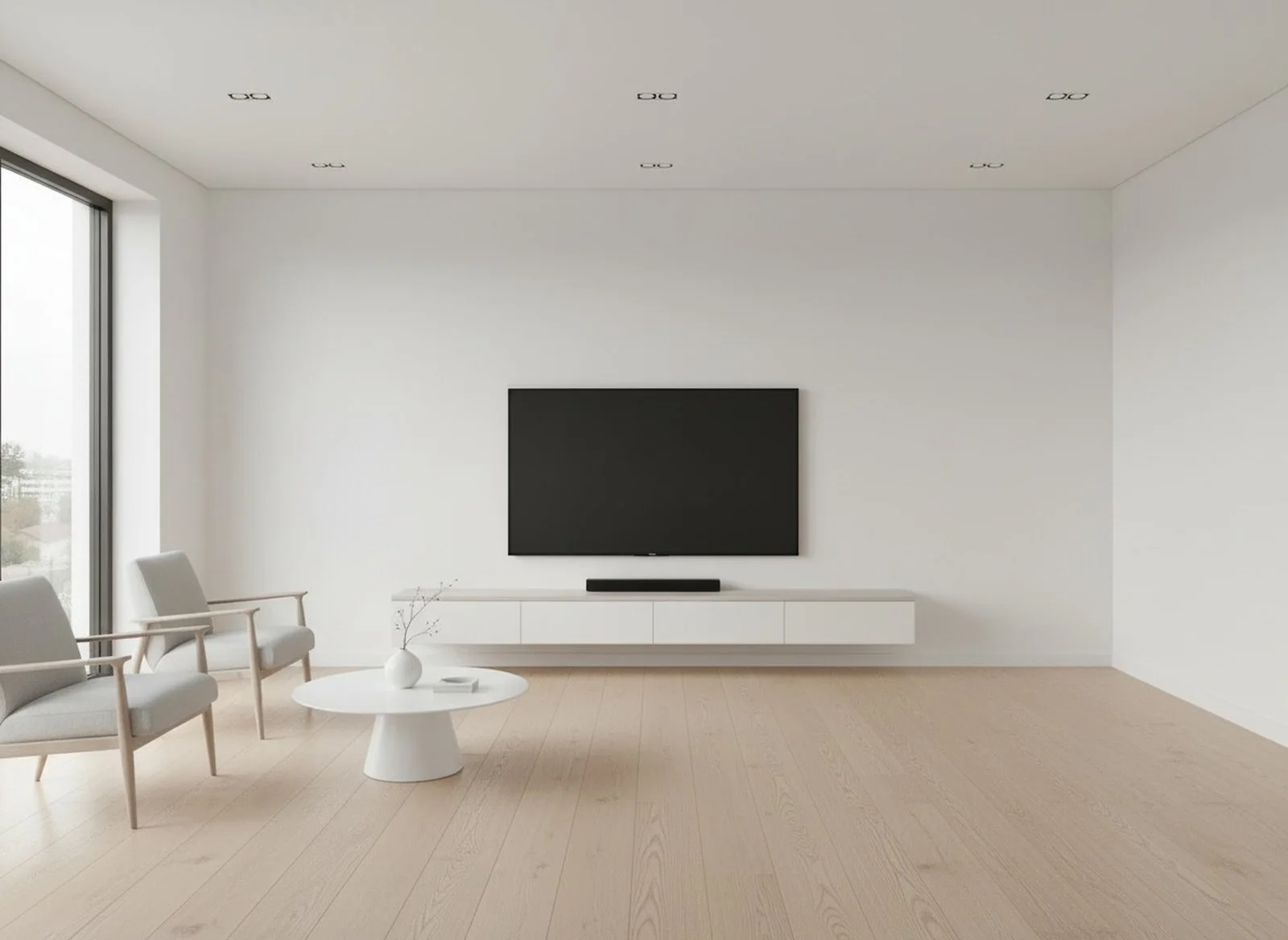
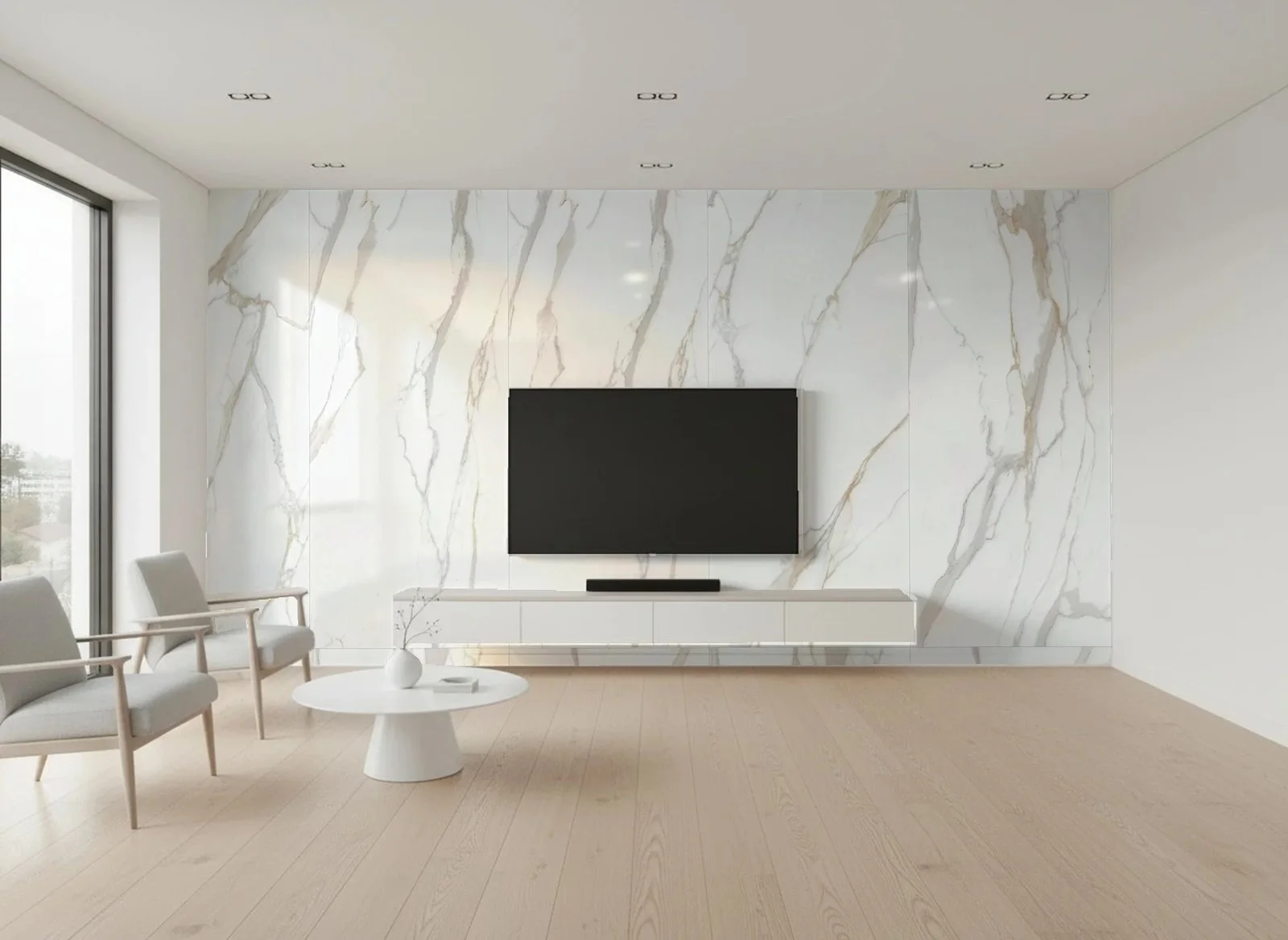




Let every slab take shape in the customer's home
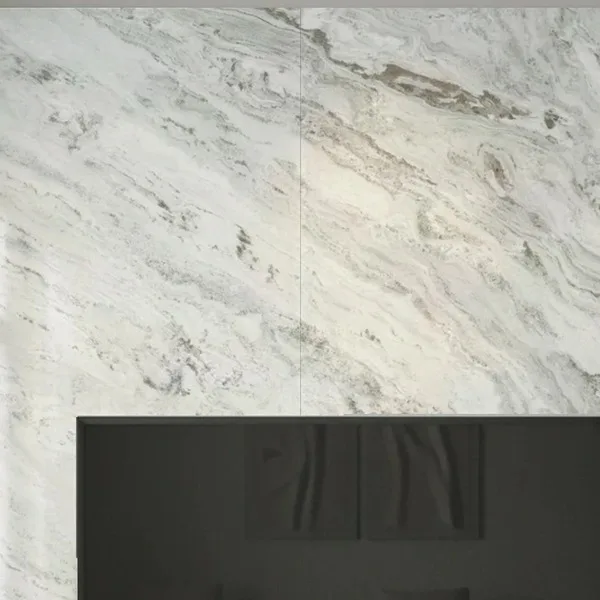
Stone is all about vein direction and depth of gloss. RoomDreaming lays slabs into the customer's space at true size, places the faces of one design in order so the veins connect, and renders the gloss photorealistically, so the whole wall is visible before ordering.

People choose materials with RoomDreaming every day
From brand websites to showrooms, customers decide with photos of their own homes.
See the 2026 Taiwan material trends report- 8,000+
- products
- 70K+
- AI visualizations
- 3,000+
- real rooms
Why stone brands choose RoomDreaming
Stone is expensive, and one slab in the wrong place can't be undone. RoomDreaming lets customers see the whole pattern and gloss on a photo of their own home, and reps can use the same image to talk through specific designs and sizes.

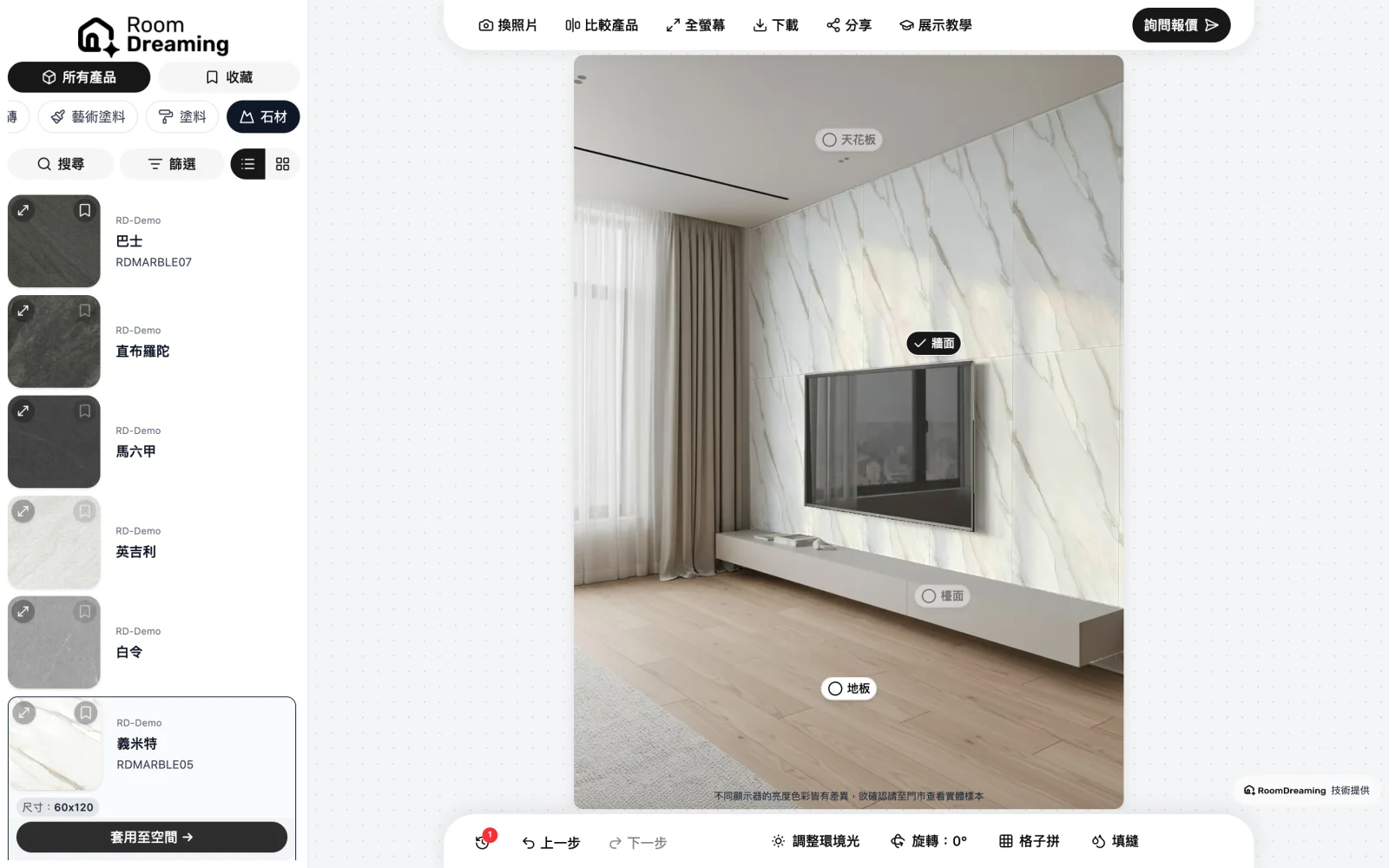
Vein-matched slabs: see how the pattern connects
The slabs of one design go up in numbered order, the veining running from one to the next. Customers lay it out on their own wall photo first. See vein-matched large format tile.
Engineered stone, quartz and marble, side by side
Swap stones on the same photo to compare pattern, depth of color and gloss, and customers quickly know which one they want.

A visualizer link for every dealer
Embed it on your website, give reps their own links, put QR codes in the showroom. Quote requests go to the dealer on LINE, with the nearest store suggested from the job site.
Try it now with your own photo
Snap a living room, bathroom or kitchen and see real products installed
Where brands get stuck, and how we help
"Customers can't picture a whole wall or countertop from a small sample."
Stone goes into the customer's space at true size, so pattern, color and gloss are seen together, not just a small piece.
"Physical samples are costly, and the showroom can't hold every line."
Your whole range lives in the visualizer. Add a new product and it appears on every dealer's link right away.
"Dealers struggle to sell high-ticket stone."
Dealers pull out a phone and put your stone into a photo of the customer's home, pattern and gloss clearly visible. Quote requests reach them on LINE.
"We want to know which designs the market prefers."
Your dashboard lists popular products, AI selection counts and customer regions, so you can see which colors and patterns sell.
FAQ
Further reading
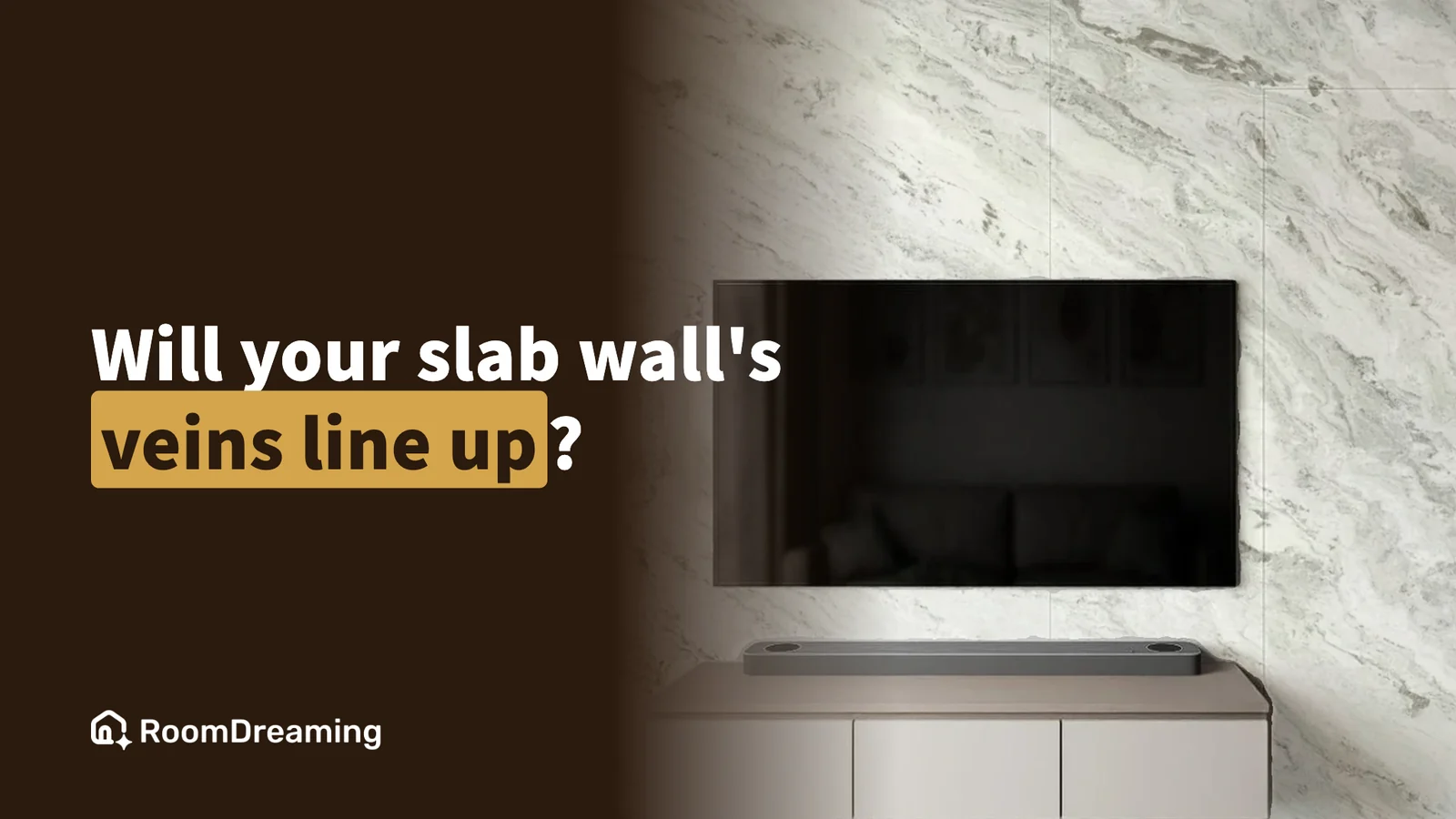
Vein-Matched Large Format Tile: How to Preview a Porcelain Slab Feature Wall Before You Order
Vein matching (sequential layout) means laying the slabs of one large format tile in numbered order so the veining flows from one slab to the next. Random shipping mixes the faces instead. Slabs are expensive and can't be un-cut, so preview the whole wall on a photo of your own room before you order.
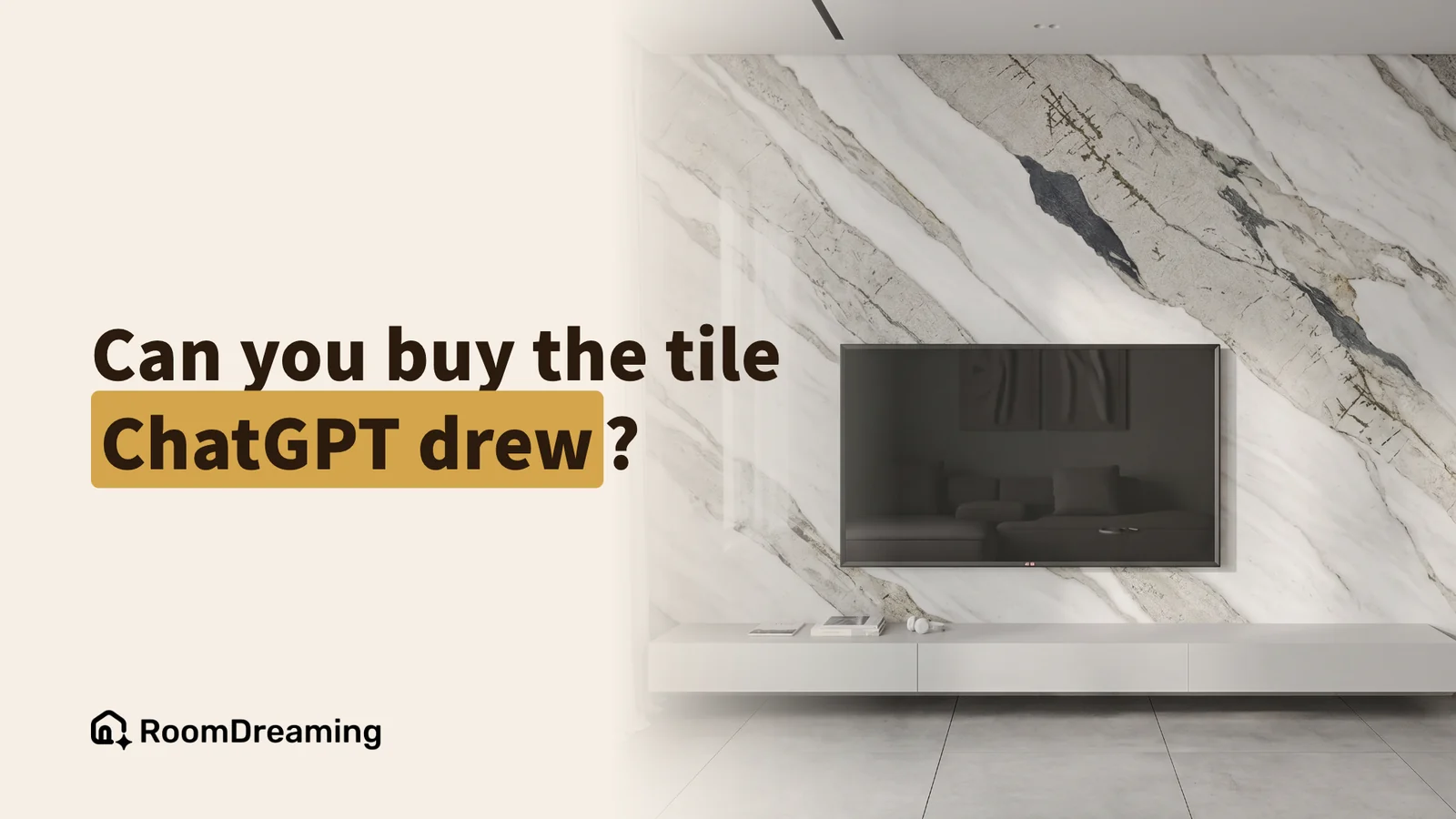
Can ChatGPT or Gemini Pick Your Tiles? AI Room Design vs a Material Visualizer
ChatGPT and Gemini are great for finding a renovation direction, but they don't have a brand's real product data — what they draw looks similar, not necessarily the actual product. General AI finds the direction; a material visualizer confirms the product exists and how it really looks in your room.

Tile and Material Selection Glossary: Face Variation, Vein Matching, Offset, Finish and AI Rendering
Twelve terms you'll hear when choosing tile, wood flooring or paint, each explained in a sentence or two: tile visualization, AI photorealistic rendering, AI material selection system, face variation, color code, finish, large format slab, random shipping, vein matching, offset, herringbone and chevron, and grout.
Try it with other materials too