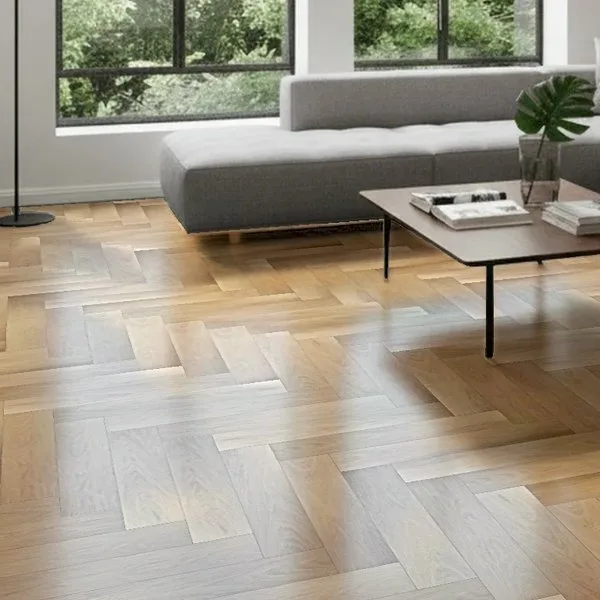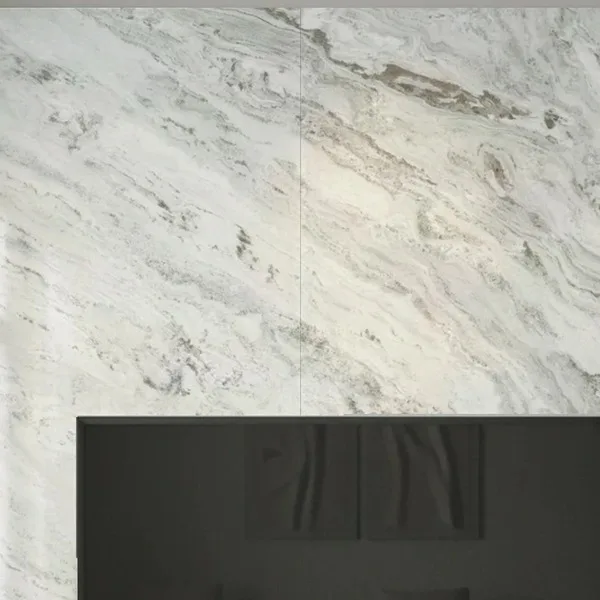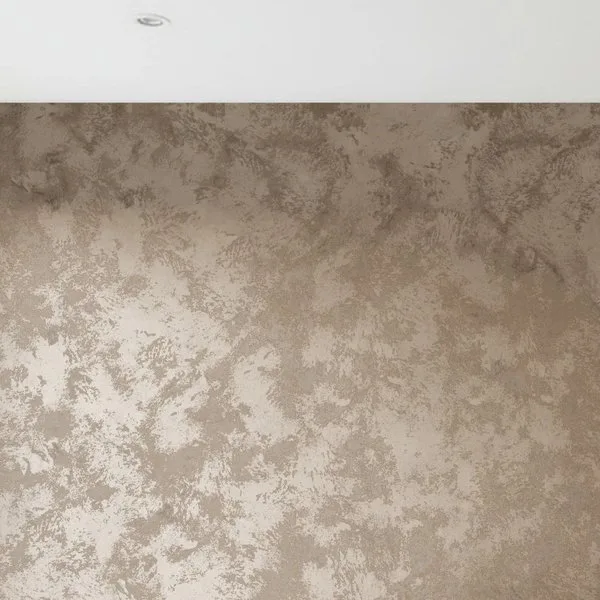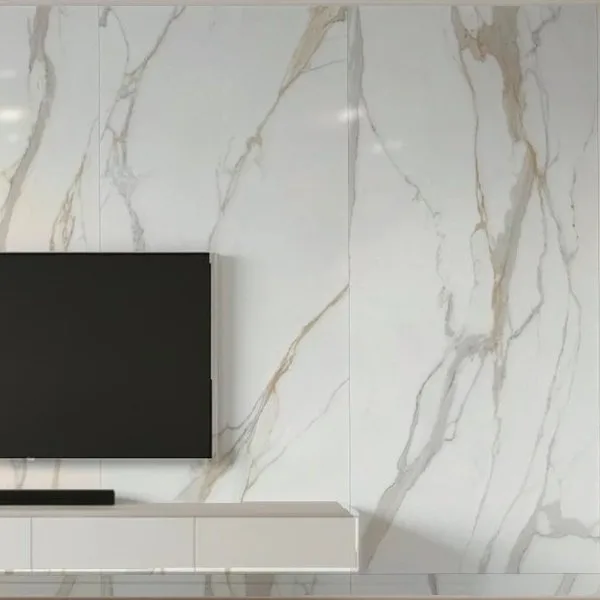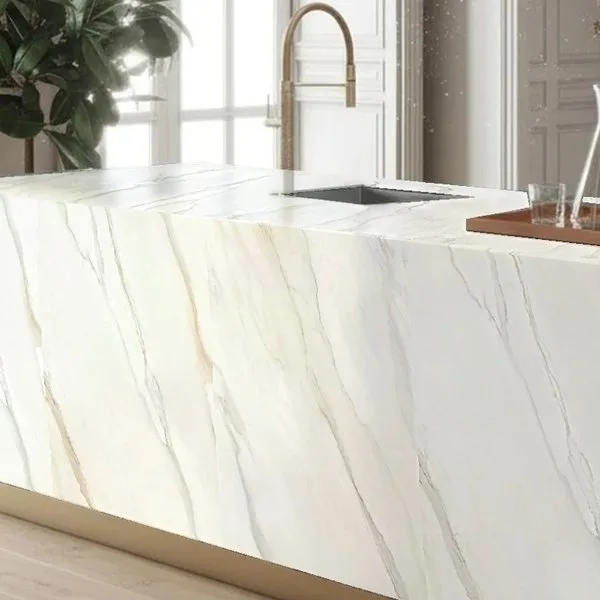
A paint visualizer for decorative paint, on the customer's own wall
A color card shows the color, not the technique, the finish or the whole wall
Customers take one photo of their wall and see your decorative paint on it, switching color, technique and finish, far faster than a sample board. Try it now with your own photo.
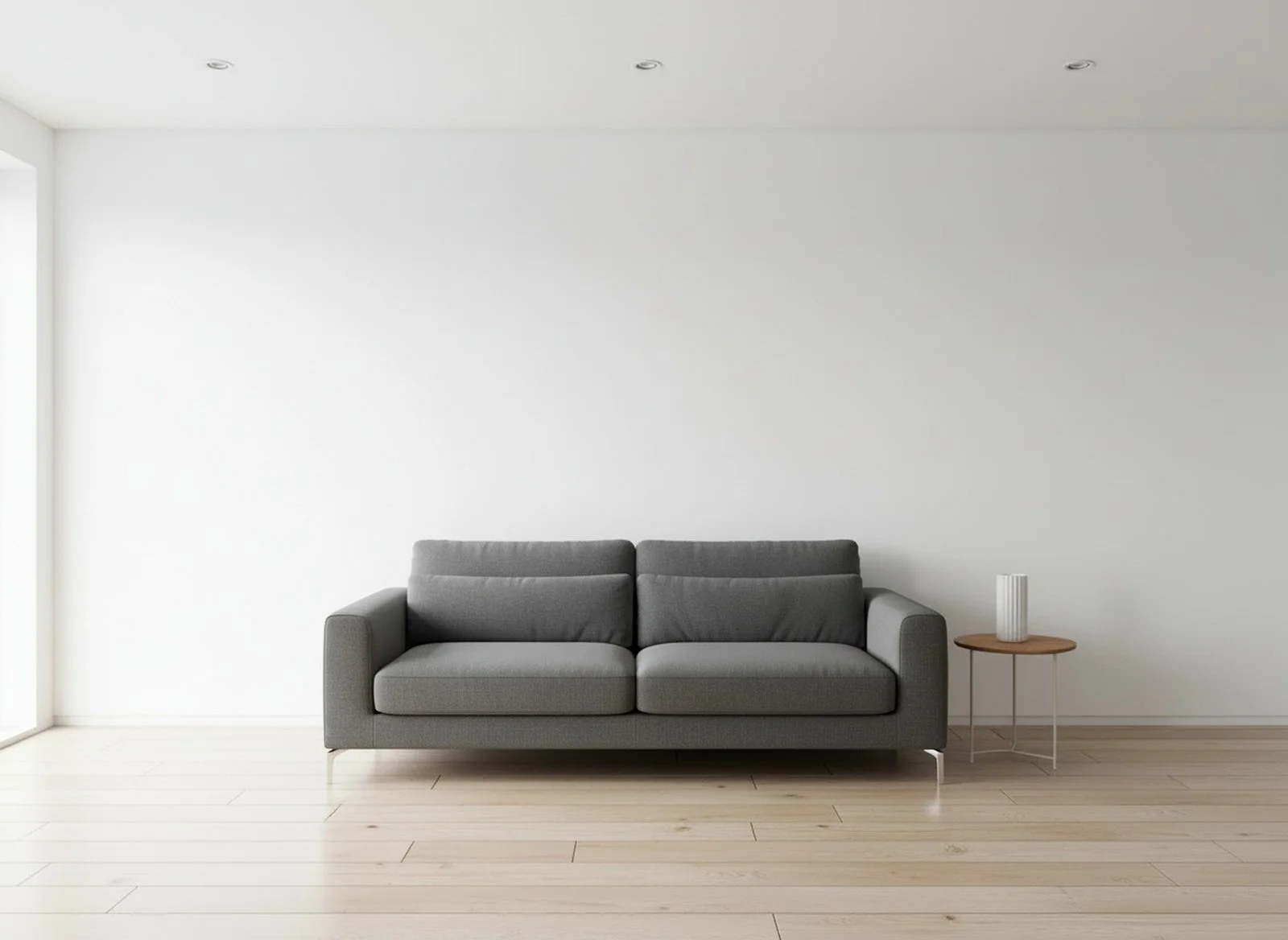
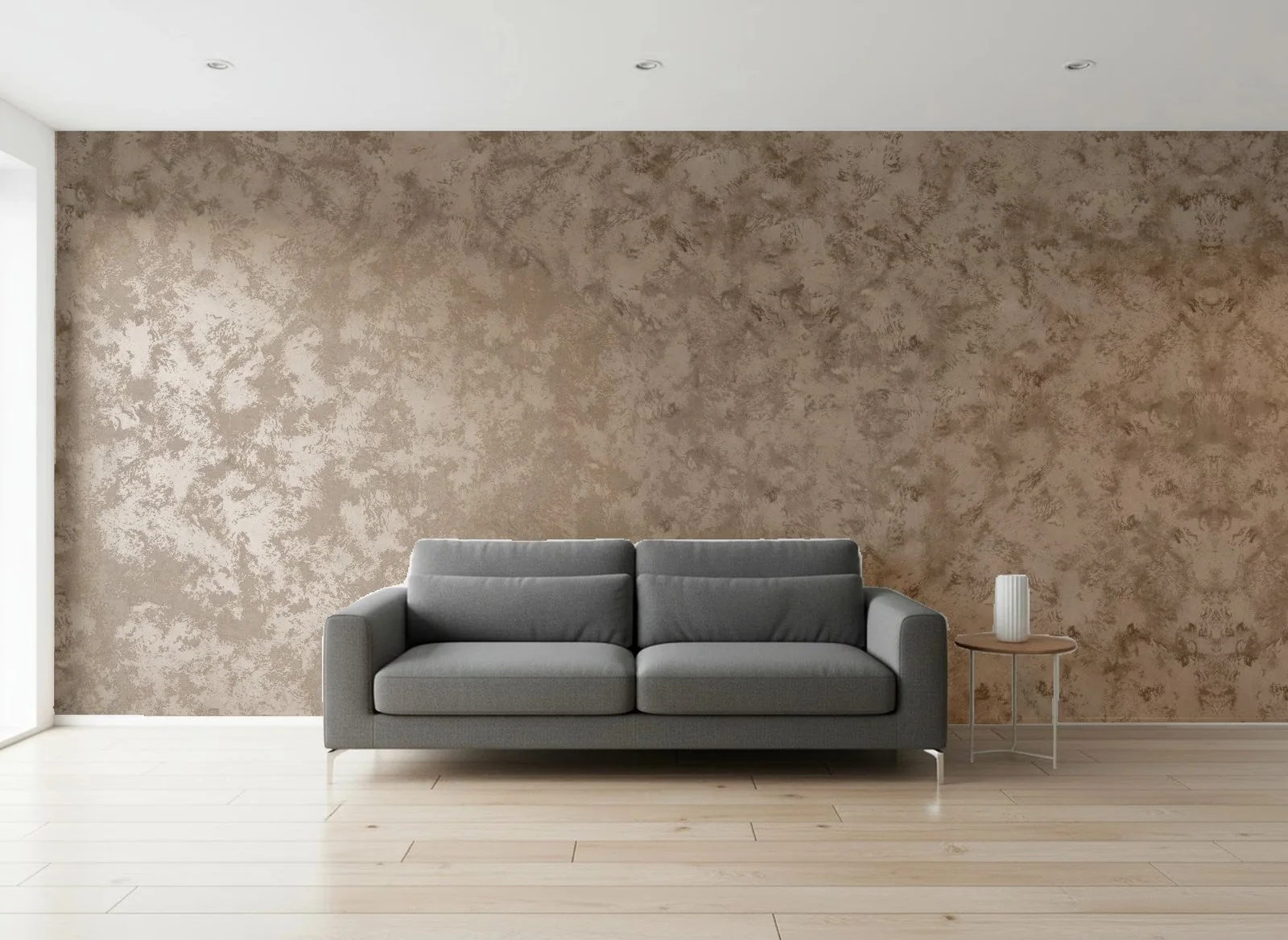




Decorative paint is about texture, not just color
A typical paint color tool swaps in a flat block of color. RoomDreaming scans real sample boards, calibrates each to its color code with AI, then renders pearl, metallic, sanded and mineral matte finishes photorealistically, close to how it looks on the wall.
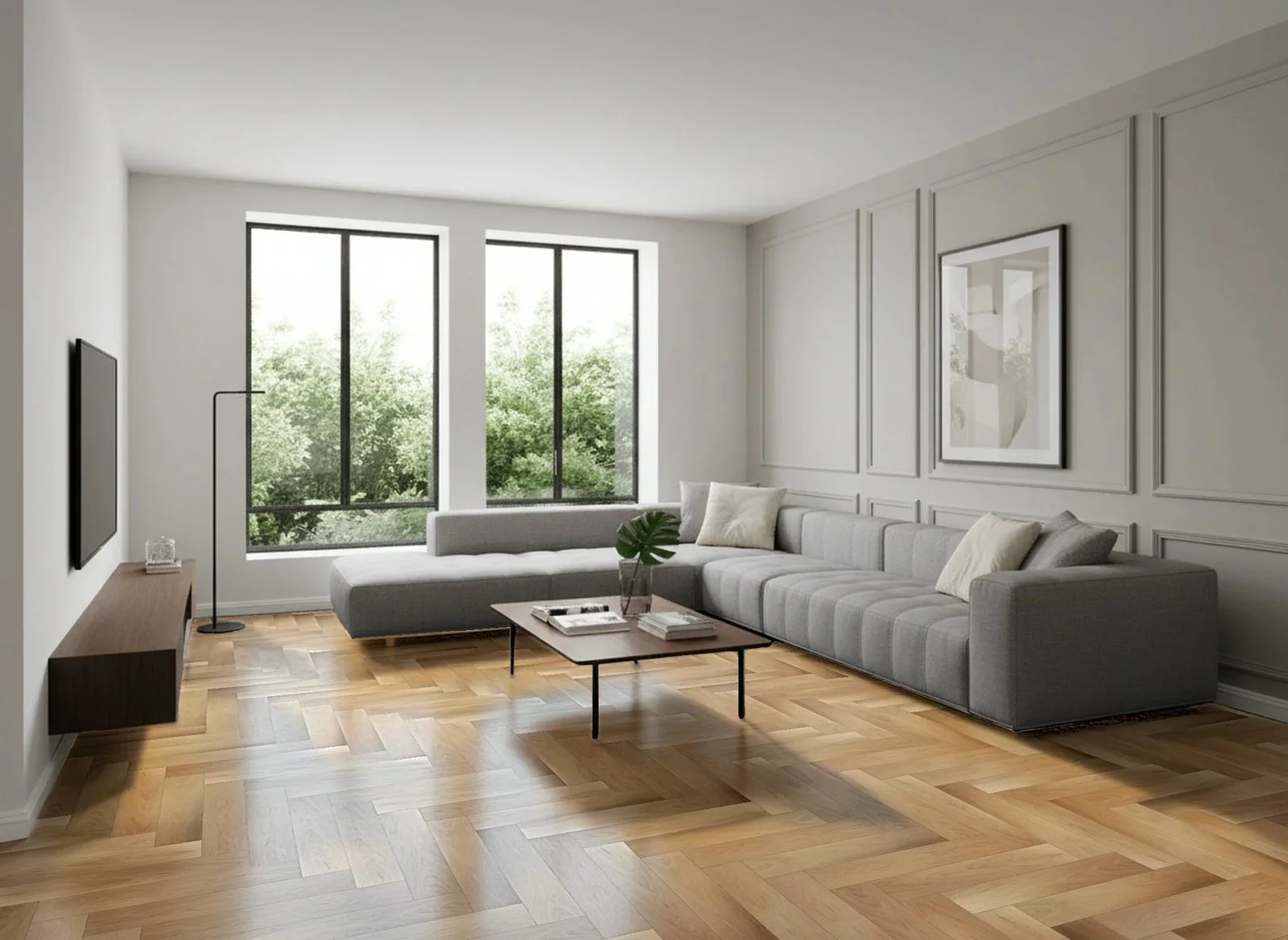
People choose materials with RoomDreaming every day
From brand websites to showrooms, customers decide with photos of their own homes.
See the 2026 Taiwan material trends report- 8,000+
- products
- 70K+
- AI visualizations
- 3,000+
- real rooms
Why decorative paint brands choose RoomDreaming
Decorative paint sells through sample boards, which are slow and costly. RoomDreaming lets customers rule out what they don't like on a photo of their own wall first, so only two or three go to sample boards. LUXUS, San Marco, Atarashi and KEIM already have it on their websites.

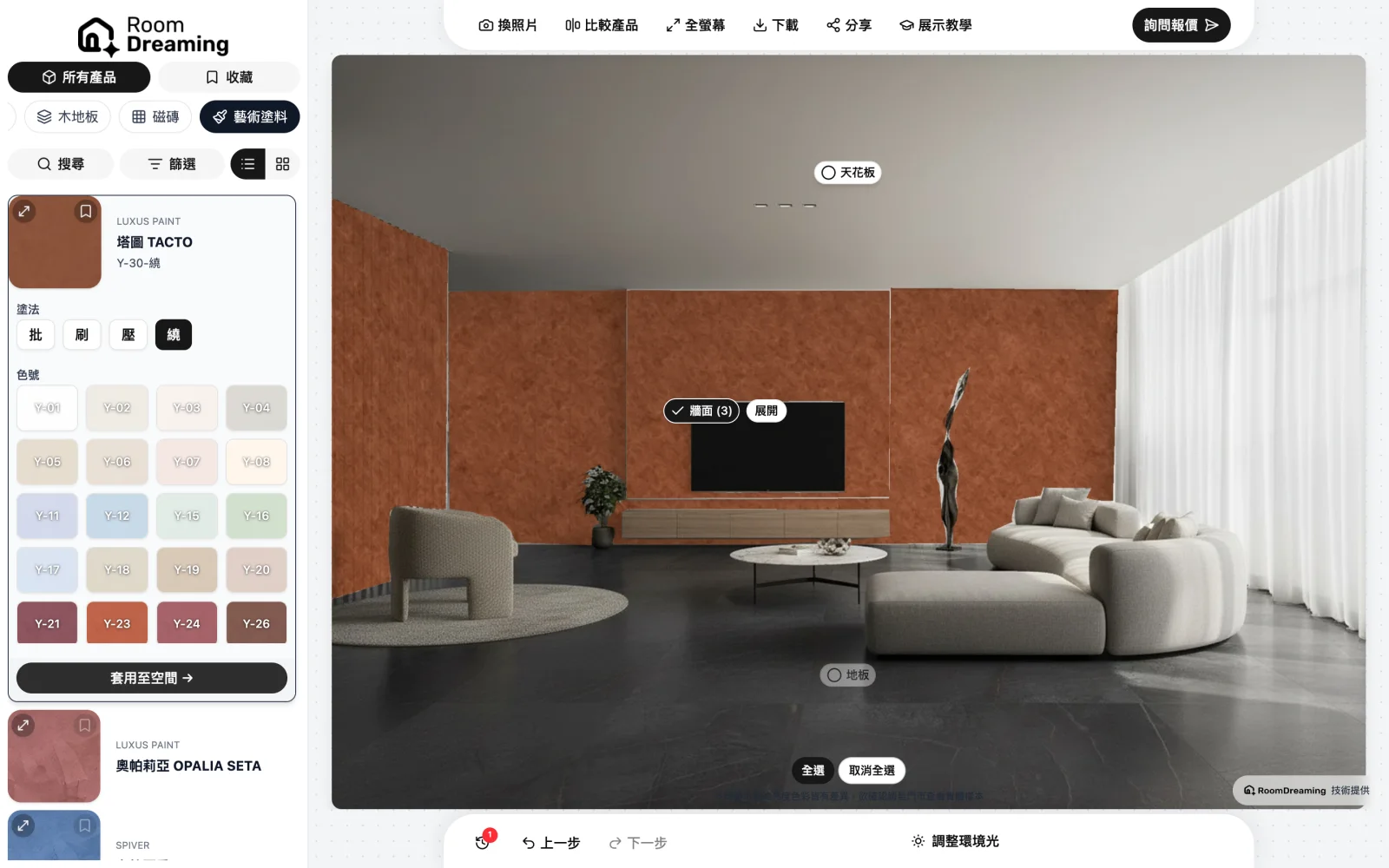
See it on your own wall before any sample board
One paint comes in many colors and techniques, which used to mean round after round of sample boards. Now customers narrow down on a photo first. More in why a color card isn't enough.
A QR code on the color card keeps them trying at home
Customers scan the color card or showroom QR code and see that color on their own living-room wall. See how to let customers try colors online.

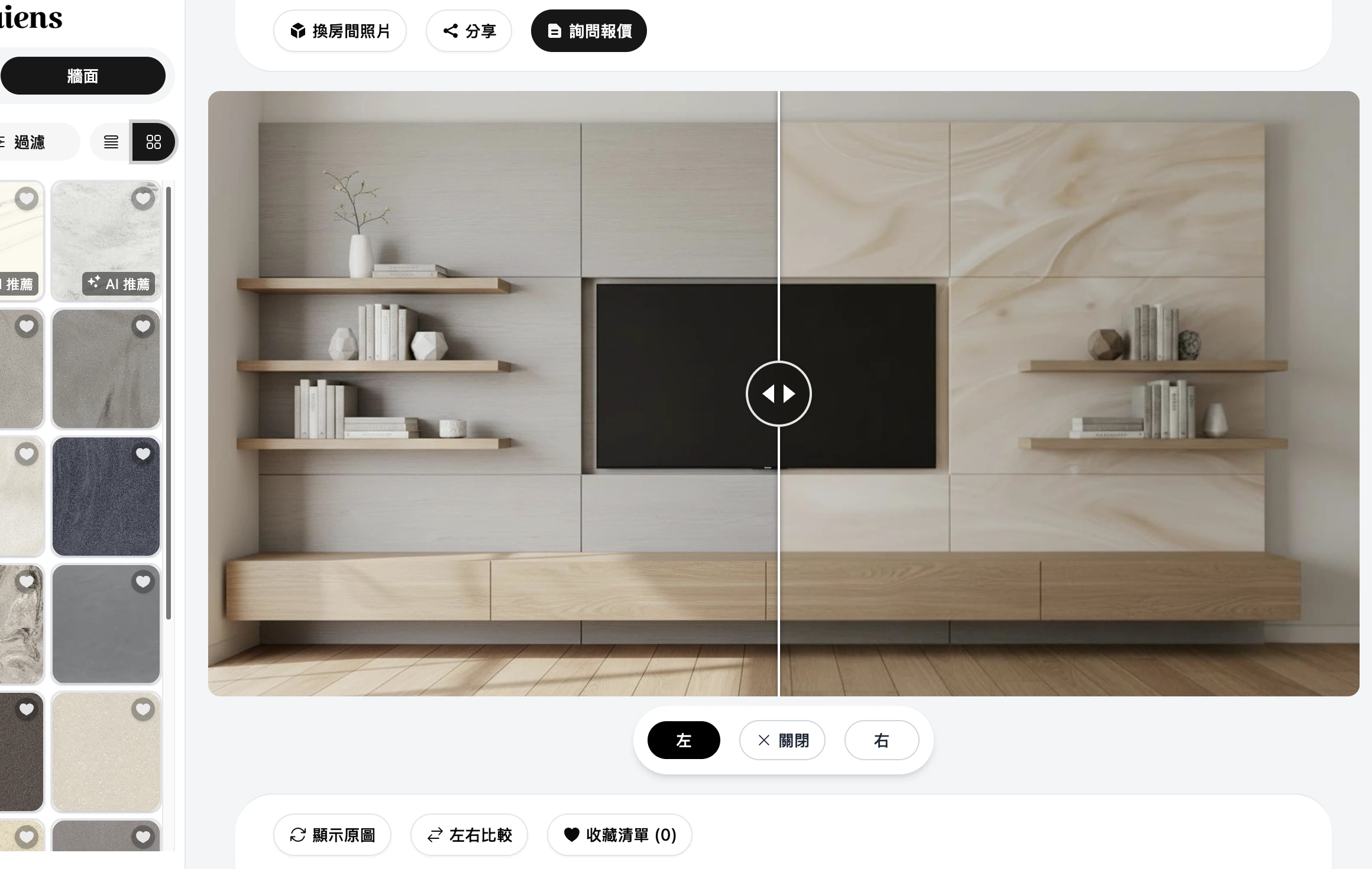
One color, every technique and finish
Troweled, brushed, pressed or swirled; pearl, metallic, sanded or mineral matte. Compare them all on the same wall, not as a flat overlay of color.
Try it now with your own photo
Snap a living room, bathroom or kitchen and see real products installed
Where brands get stuck, and how we help
"Our products look different at every dealer."
You manage product data and color codes in one place. Every dealer's visualizer link reads from that same catalog, so customers see the same thing wherever they come in.
"Wrong color choices mean repaints and complaints that eat our margins."
Colors are AI-calibrated to their codes, and customers see the whole wall before painting, so fewer of them say it looks nothing like they expected.
"Dealers don't have room to display every color."
Your full range lives in the visualizer, so dealers can show any color on the customer's own photo from a phone. New products appear on every dealer's link as soon as you add them.
"We're not sure which colors are actually popular."
Your dashboard shows which colors get tried most, where customers are and how many quote requests each dealer gets.
FAQ
Further reading
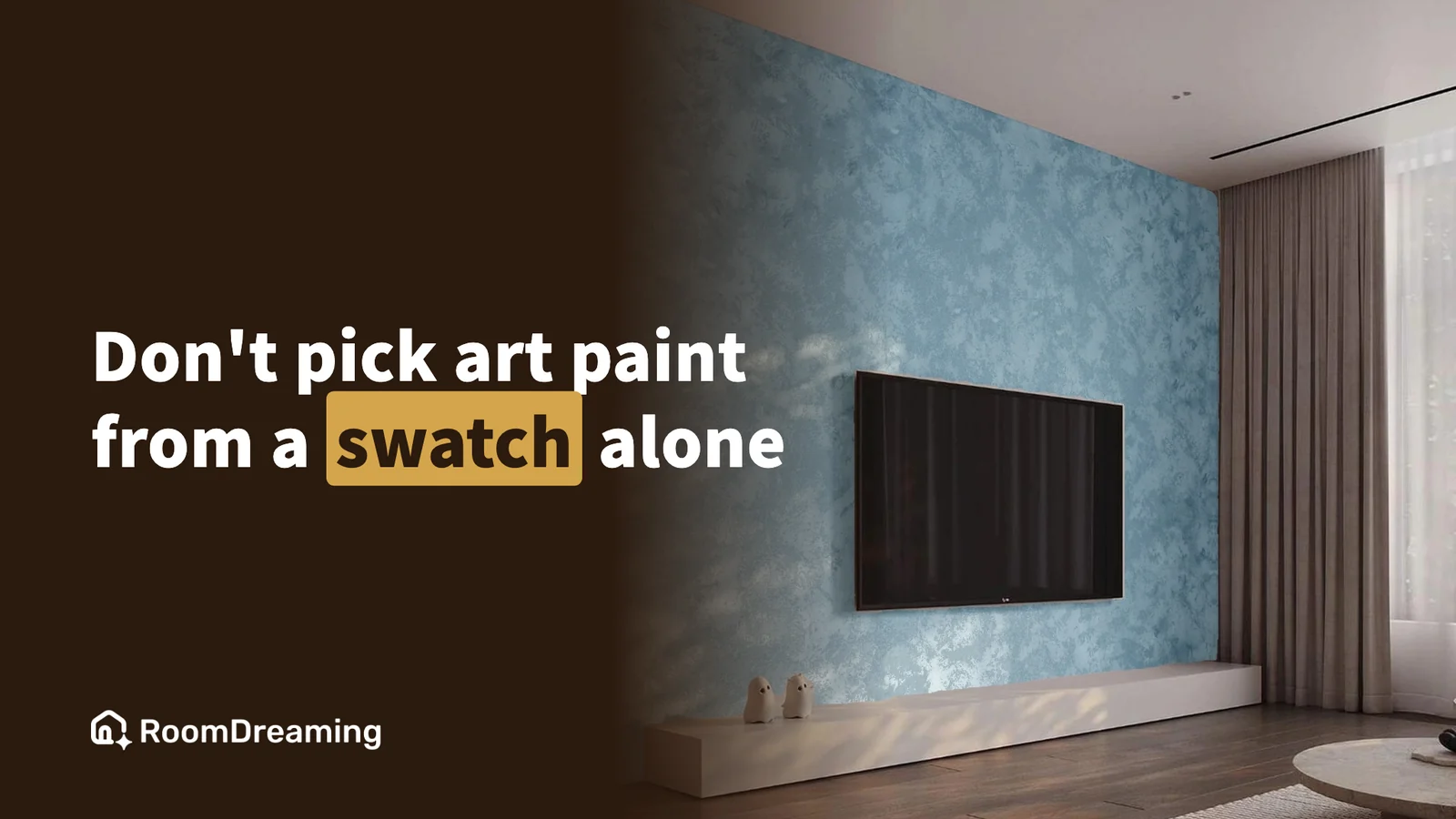
Why You Can't Choose Decorative Paint From a Color Card: Sample Boards vs AI Paint Visualizer
Venetian plaster, limewash, mineral and metallic paints look different on the wall than on a small color card — the result depends on color, application technique and light. Here's how to read a color card, and why the fastest order is: visualize on your own wall photo, narrow to two or three, then make sample boards.
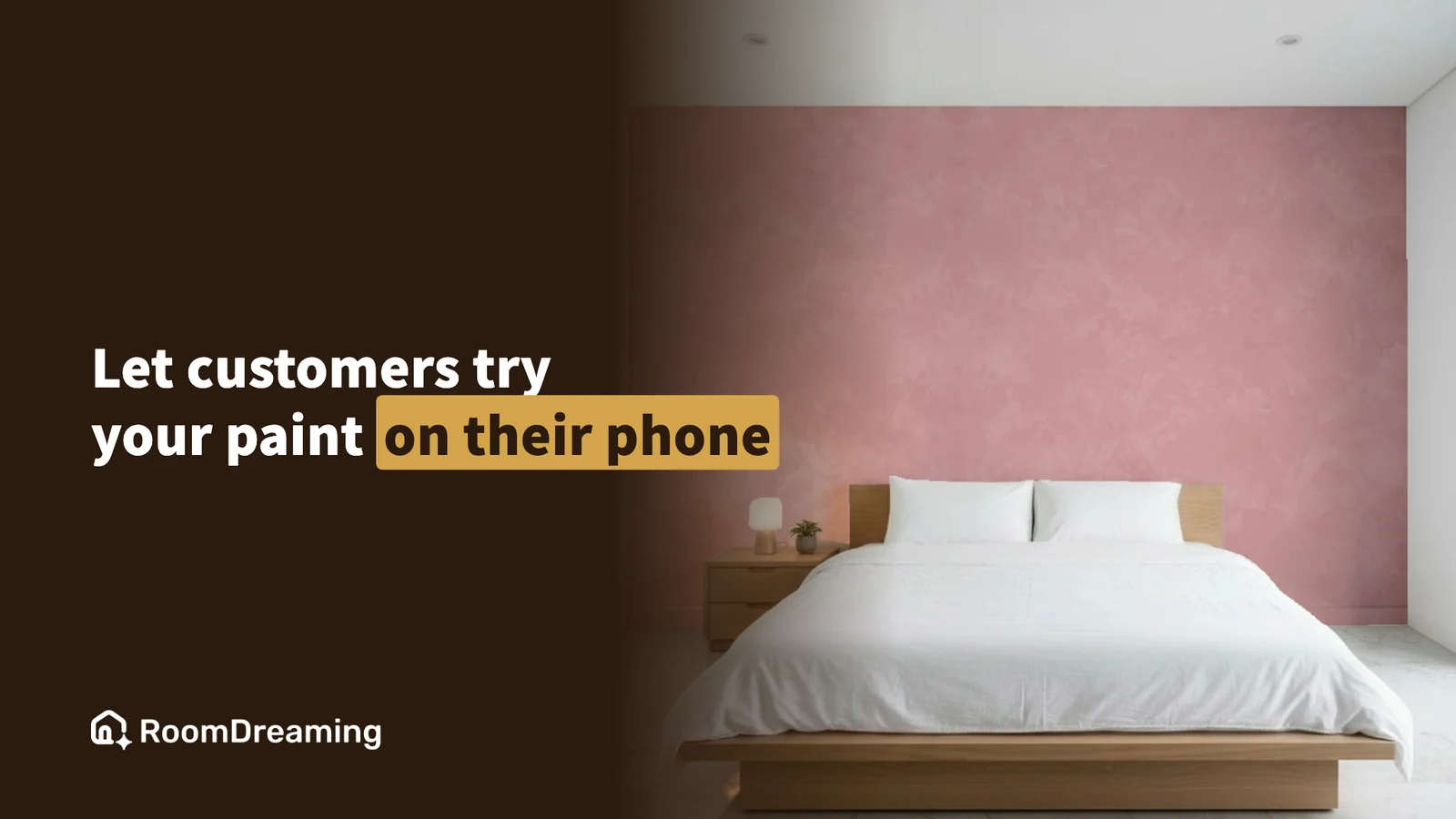
How Decorative Paint Brands Let Customers Try Colors Online: Website, Sales Links and QR Codes on Color Cards
Decorative paint sells through sample boards — slow, costly, and the lead goes cold once the customer leaves. Put a paint visualizer on your website, in your reps' links and as a QR code next to the color card, so customers can see one color in different techniques and finishes on their own wall.
Can ChatGPT or Gemini Pick Your Tiles? AI Room Design vs a Material Visualizer
ChatGPT and Gemini are great for finding a renovation direction, but they don't have a brand's real product data — what they draw looks similar, not necessarily the actual product. General AI finds the direction; a material visualizer confirms the product exists and how it really looks in your room.
Try it with other materials too